
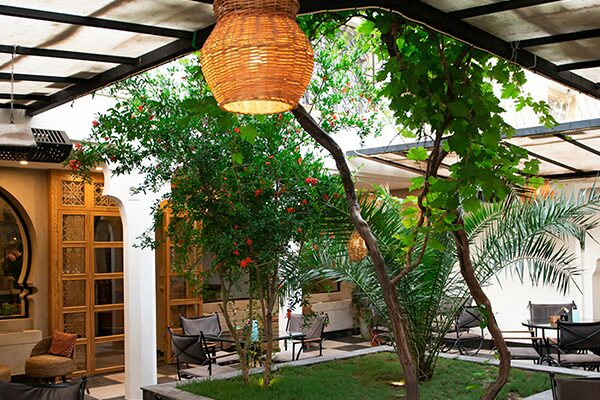
Have you ever heard of biophilic design?
Even if the term sounds unfamiliar, chances are you’ve already experienced it—maybe without even realizing it.
Think about those moments when sunlight pours through your window, when you feel more relaxed just by having a leafy plant nearby, or when a breeze of fresh air makes your space feel alive. These simple experiences with nature, even indoors, can support your health, inspire creativity, and enhance well-being.
That’s what biophilic design is all about—bringing the feeling of nature into our homes, offices, and everyday environments.
What is Biophilic Design?
Biophilic design comes from the word biophilia, which means “love of life” or “love of living things.”
It’s a way of designing spaces that helps us feel more connected to nature, even when we’re inside.
This approach goes beyond just adding a few plants. It can include using natural light, earthy textures and materials, calming colors, or even layouts that mimic the flow of a forest or a river. The goal is to create spaces that don’t just look nice—but feel good to be in.
Six Principles of Biophilic Design
There are six principles of biophilic design:
1. Environmental Features
Incorporate natural elements like plants, water, natural light, and materials such as wood and stone into spaces to create a direct connection with nature.

2. Natural Shapes and Forms
Use organic shapes and patterns found in nature—like curves, spirals, and leaf motifs—to evoke a natural feeling in the design.

3. Natural Patterns and Processes
Integrate natural patterns such as fractals and aging materials that show growth and change over time, creating dynamic and evolving spaces.

4. Light and Space
Design with natural light and spatial arrangements that mimic nature’s rhythms, creating comfortable, well-lit, and engaging environments.

5. Place-Based Relationships
Reflect the local ecology, culture, and history in the design by using regional materials and plants, fostering a sense of belonging and connection to place.

6. Evolved Human-Nature Relationships
Create spaces that reflect the way humans instinctively respond to nature—such as seeking safety, feeling curious, and wanting to explore—so the space feels both comforting and emotionally engaging.
For example, this can be expressed through a cozy nook with a protected feeling, an open view that helps people feel at ease, or a path, corner, or layered layout that invites discovery.
Why It Matters: The Science of Biophilic Benefits
Decades of research confirm what many instinctively feel: nature makes us feel better. Biophilic design isn’t just about visual beauty—it has proven benefits for physical, mental, and emotional well-being.
Physical Benefits
- Improved air quality through indoor plants and better ventilation
- Enhanced sleep and circadian rhythms due to natural light exposure
- Faster recovery times in hospitals with nature views or gardens
Mental and Emotional Benefits
- Reduced stress and anxiety
- Improved mood and emotional resilience
- Greater attention span and mental clarity
Productivity and Learning
- Offices with biophilic features report up to 15% increases in productivity
- Students in nature-inspired classrooms perform better on tests and show improved focus
- Creativity and idea generation are significantly higher in green environments
Designing for a Better Future
Biophilic design is also inherently sustainable. It encourages the use of renewable materials, passive lighting and ventilation, and biodiversity-friendly landscapes. It’s a reminder that what’s good for the planet is often good for people too.
By designing spaces that foster a relationship with nature, we also cultivate a deeper sense of environmental responsibility.